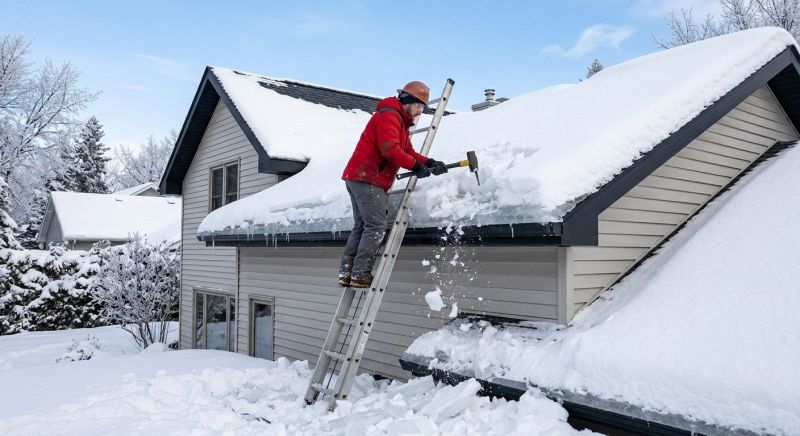
Ice Dam Removal in Kitsap County, WA
Ice dam removal services focus on addressing the buildup of ice along the edges of roofs, which can cause water to back up and potentially lead to leaks or damage inside a home. This service typically involves carefully removing the ice dams to prevent water from seeping under roofing materials and causing issues such as mold, rot, or structural deterioration. Projects can vary from clearing small ice formations on residential roofs to managing larger, more complex ice dams on homes with varying roof styles and insulation conditions.
Property owners often want to understand the causes of ice dam formation, including factors like roof design, insulation, and ventilation, before requesting removal services. It’s also common to inquire about the methods used for safe and effective ice removal, as well as any potential impacts on roofing materials. Proper assessment and removal can help protect the property from water damage, reduce the risk of ice-related issues during winter months, and maintain the integrity of the roof and attic space.
Many property owners in Kitsap County, WA look into Ice Dam Removal for repairs, replacements, upgrades, and appearance-related improvements.
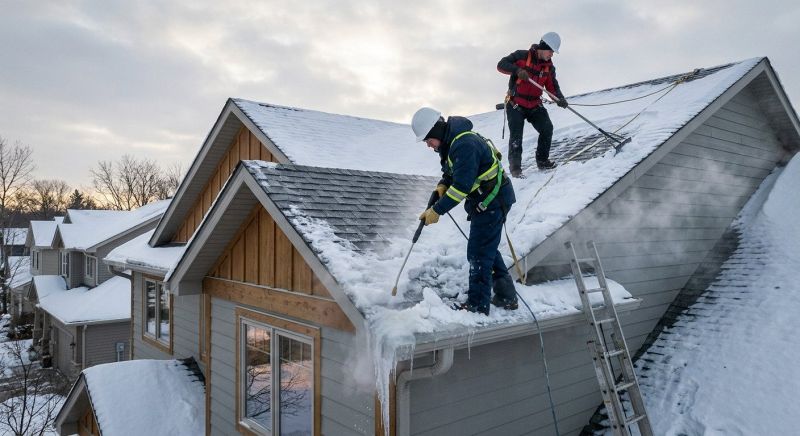
Understanding Ice Dams
Ice dams form when melting snow refreezes at the roof edge, causing water backup and potential damage.
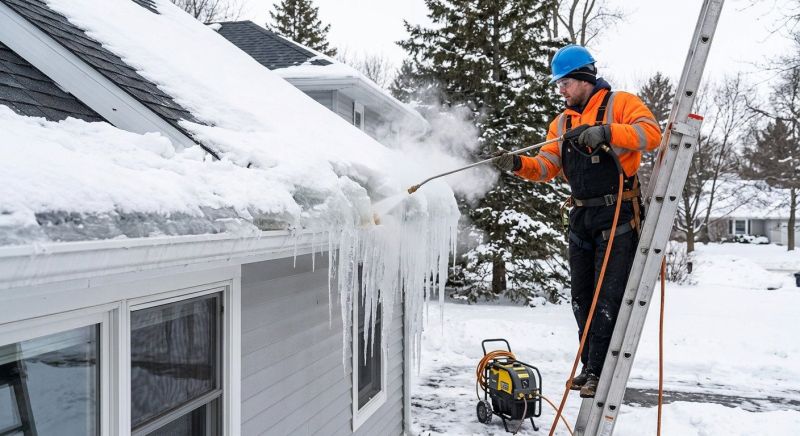
Signs Of Ice Dam Formation
Indicators include ice buildup on gutters, water stains on ceilings, and melting snow on rooftops.
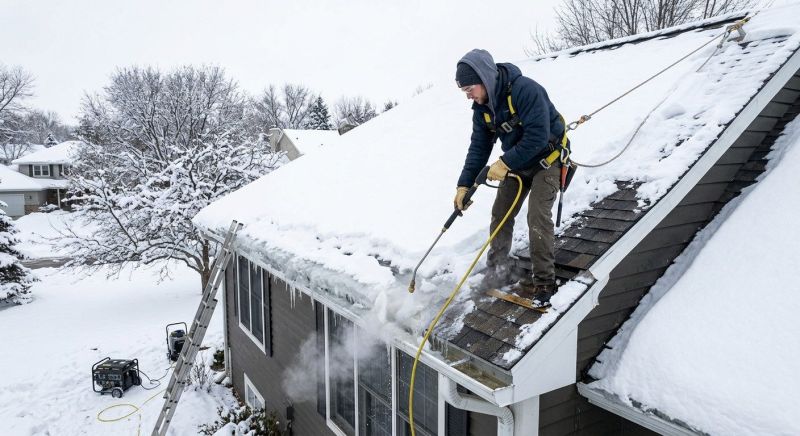
Benefits Of Professional Removal
Removing ice dams promptly helps prevent roof leaks, structural damage, and costly repairs in kitsap county homes.
Ice Dam Removal in Kitsap County, WA
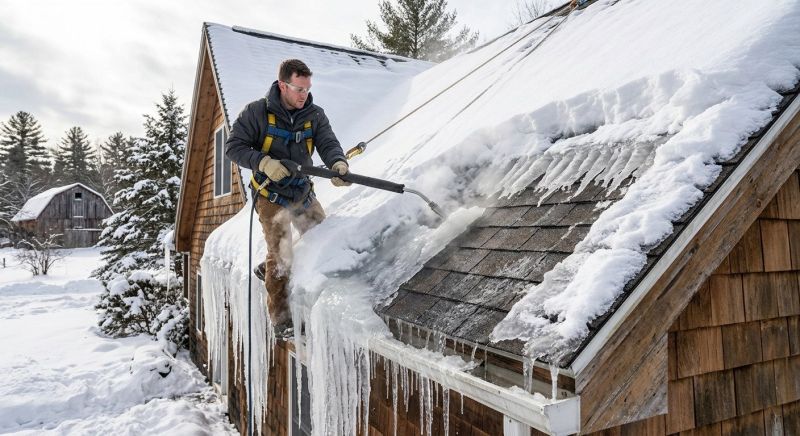
Ice dam removal services focus on addressing the buildup of ice along the edges of roofs, which can cause water to back up and potentially lead to leaks or damage inside a home. This service typically involves carefully removing the ice dams to prevent water from seeping under roofing materials and causing issues such as mold, rot, or structural deterioration. Projects can vary from clearing small ice formations on residential roofs to managing larger, more complex ice dams on homes with varying roof styles and insulation conditions.
Property owners often want to understand the causes of ice dam formation, including factors like roof design, insulation, and ventilation, before requesting removal services. It’s also common to inquire about the methods used for safe and effective ice removal, as well as any potential impacts on roofing materials. Proper assessment and removal can help protect the property from water damage, reduce the risk of ice-related issues during winter months, and maintain the integrity of the roof and attic space.
Many property owners in Kitsap County, WA look into Ice Dam Removal for repairs, replacements, upgrades, and appearance-related improvements.
Common Ice Dam Removal Jobs
Ice Dam Removal - safe removal of ice buildup to prevent roof damage and leaks.
Roof Ice Dam Prevention - techniques to reduce future ice dam formation and protect the roof.
Ice Dam Inspection - assessment of existing ice dams and potential risk areas on the roof.
Ice Dam Melting - use of safe methods to melt ice and clear blocked gutters.
Gutter Clearing - removal of ice and debris from gutters to ensure proper drainage.
Roof Ventilation Checks - evaluation of attic ventilation to minimize ice dam development.
Ice Dam Removal Questions
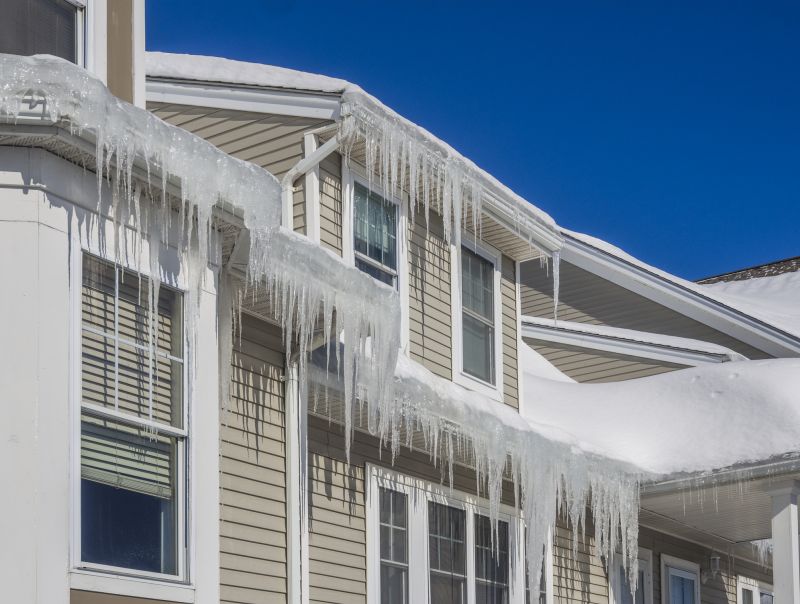
What are ice dams? Ice dams are ridges of ice that form along the edge of a roof, preventing melting snow from draining properly.
Why should ice dams be removed? Removing ice dams helps prevent water leaks, roof damage, and structural issues caused by trapped moisture.
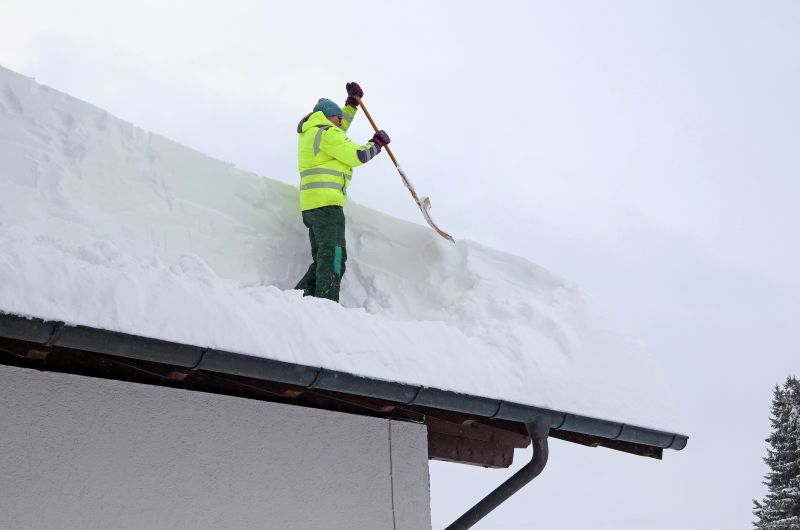
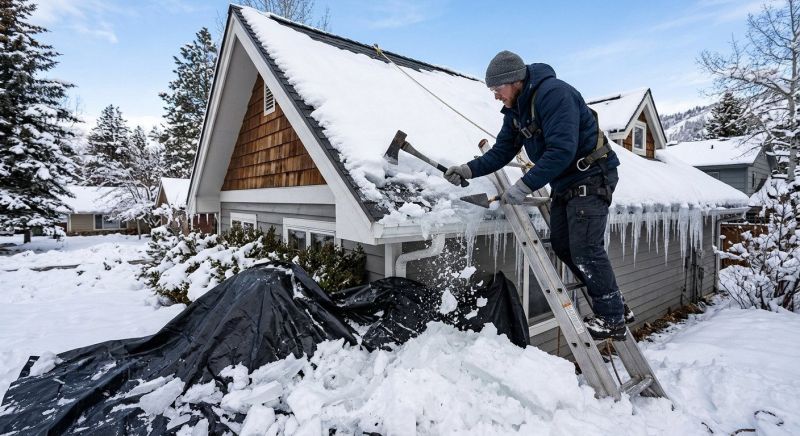
What methods are used for ice dam removal? Techniques typically involve safe ice removal tools or controlled melting to clear blocked gutters and roof valleys.
When is the best time for ice dam removal? The ideal time is during or immediately after a snowstorm when ice buildup begins to form on the roof edge.
Request Ice Dam Removal in Kitsap County, WA
Use the quote form on this page to share the basics of your project and request more information for the type of work you need.